
Unveiling the truth Debunking the top myths about casinos
Understanding Casino Myths
Casinos have long been shrouded in mystery, leading to a plethora of myths and misconceptions that can misguide potential players. One prevalent myth is that casinos are designed to cheat players, creating an impression that the house always has an unfair advantage. While it is true that the house edge exists, it is a statistical measure designed to ensure the casino can operate sustainably rather than an underhanded tactic to swindle players. Understanding the mechanics of games and the odds involved can help dispel this myth and create a more informed rougecasinos-uk.com experience for players indulging in gambling.
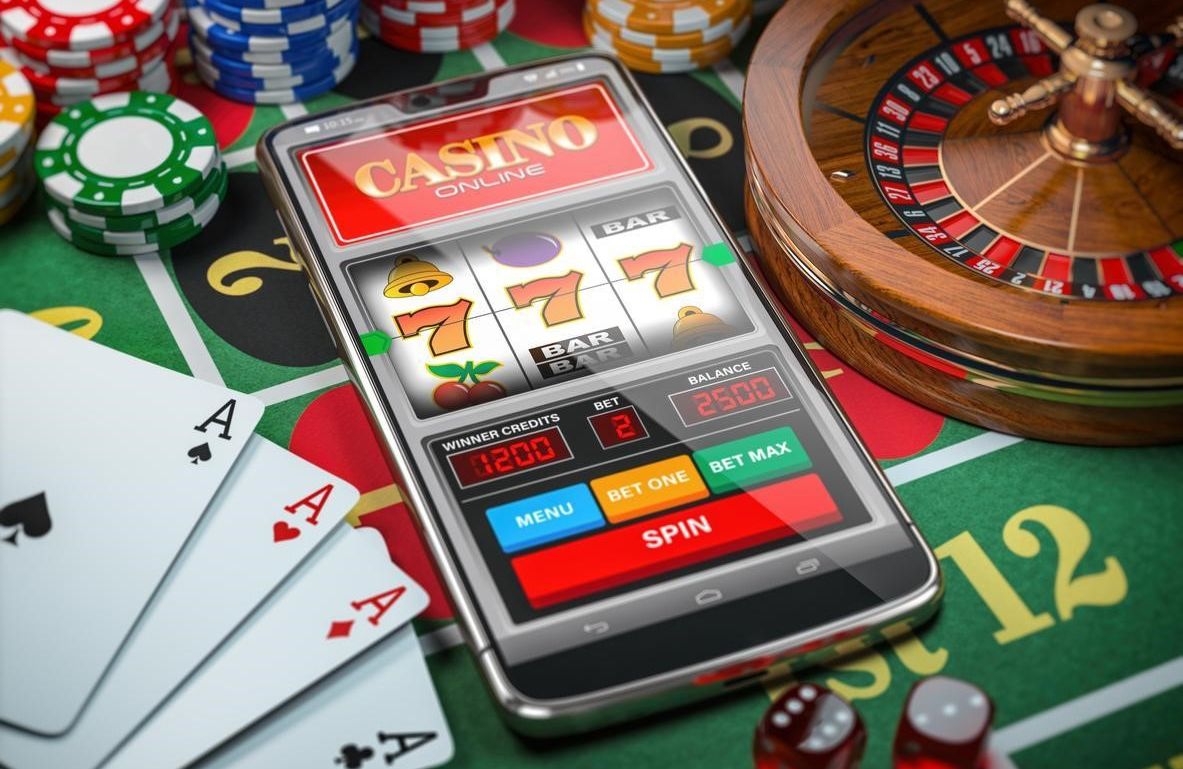
Another common myth is the belief in “hot” and “cold” slots. Many players assume that a machine that hasn’t paid out recently is due for a win, leading to a misguided strategy based on superstition rather than probability. In reality, each spin on a slot machine is an independent event, governed by random number generators. Thus, previous spins do not influence future outcomes. This myth highlights the importance of understanding how these games operate on a mathematical basis rather than emotional or instinctive beliefs.
Additionally, there’s a misconception that casinos favor certain players or that loyalty affects the odds of winning. While casinos do provide rewards programs to encourage returning customers, these incentives do not alter the fundamental odds of the games. Every player, regardless of status, faces the same probabilities. Understanding this can help players approach their gaming experience more objectively, knowing that luck is the primary factor in any game of chance.
The Myth of Gambling Addiction
Another commonly held myth is that most casino patrons become addicted to gambling. While it is true that gambling can lead to addiction for some individuals, suggesting that all players are at risk is misleading. The vast majority of people who gamble do so responsibly and view it as a form of entertainment rather than a means of income. Education and awareness about responsible gaming practices can help mitigate potential risks and encourage a healthy approach to gambling.
Furthermore, the portrayal of gambling addiction in media often exaggerates its prevalence and impact. Real-life stories of addiction are complex and vary significantly from person to person. Many individuals gamble without developing any compulsive behaviors, enjoying the excitement of games without negative repercussions. By focusing on responsible gaming and personal awareness, players can navigate their casino experiences in a balanced way, reducing the risk of addiction.
Support systems and resources are available for those who may struggle with gambling addiction, emphasizing the importance of seeking help rather than succumbing to the stigma associated with it. By demystifying gambling addiction, we can foster a more positive conversation around gaming and promote healthier lifestyles for those who choose to gamble.
Casino Strategies and Odds
Many players believe that there are surefire strategies to beat the casino, such as betting systems or patterns. This myth often stems from misunderstandings of probability and chance. While certain strategies might enhance the playing experience or manage bankrolls effectively, they do not guarantee wins. Games like blackjack may allow for strategic decisions that can improve odds, but luck remains the ultimate deciding factor in most casino games.
The fallacy of winning systems is particularly prevalent in roulette, where players might believe in “hot” or “cold” numbers. However, every spin is random, and no previous outcomes can predict future results. Recognizing that games of chance rely on luck rather than skill can help players manage expectations and enjoy the experience without undue pressure to win.
Players are encouraged to focus on enjoying the games rather than chasing losses or relying on mythical strategies. Understanding the inherent randomness of casino games allows for a more enjoyable experience, prioritizing fun over financial gain. A well-informed player is better equipped to navigate the gaming world responsibly and efficiently.
The Illusion of Control
Another myth prevalent in casino culture is the belief that players can control the outcome of games through various rituals or superstitions. Many gamblers engage in practices such as wearing lucky clothing or avoiding certain numbers, thinking these actions will sway luck in their favor. In truth, casinos operate on mathematical principles and randomization, making any perceived control an illusion. Understanding this can help players approach games with a clearer mindset and enjoy them for their entertainment value.
Moreover, the belief in personal control can lead to frustrations and unrealistic expectations. When a player loses despite following their “lucky” rituals, it can create feelings of disillusionment and disappointment. Recognizing that outcomes are beyond personal influence is crucial for maintaining a healthy relationship with gambling, and it can alleviate the emotional rollercoaster many players experience.
Instead of attempting to exert control over outcomes, players should focus on enjoying the games as a leisure activity. By acknowledging the randomness involved, they can appreciate the thrill of gambling without succumbing to the emotional highs and lows that often accompany a belief in personal influence over luck.

Engaging with Online Casinos
The rise of online casinos has opened up a new world of gaming for players, and this shift has generated its own set of myths. One common misconception is that online casinos are less trustworthy than their brick-and-mortar counterparts. In reality, many online platforms operate under strict regulations and undergo regular audits to ensure fairness. Players can often find independent reviews and ratings that help clarify a site’s legitimacy, allowing for informed decisions when selecting where to play.
Additionally, the idea that online gambling is inherently more addictive has gained traction. While some individuals may be more susceptible to addiction in an online environment, responsible gaming measures are available to help players manage their habits. Online casinos often provide tools to set spending limits, time restrictions, and self-exclusion options, emphasizing the importance of personal responsibility in any gaming scenario.
Finally, many players believe that online gambling lacks the social interaction present in traditional casinos. However, many platforms now offer live dealer games and chat functions that foster a communal atmosphere. This evolution reflects the industry’s adaptability and commitment to enhancing player experience, merging the excitement of in-person gaming with the convenience of online access.
