
Exploring the psychological rollercoaster of gambling addiction
The Allure of Gambling
The excitement of gambling can be intoxicating. The bright lights, the sounds of coins clinking, and the thrill of winning can create an exhilarating atmosphere that draws people in. For many, this environment serves as a temporary escape from everyday life, making gambling an appealing pastime. However, the allure can quickly turn into a dangerous obsession for some individuals. In fact, discovering new online casinos has become increasingly popular among players looking for fresh experiences.
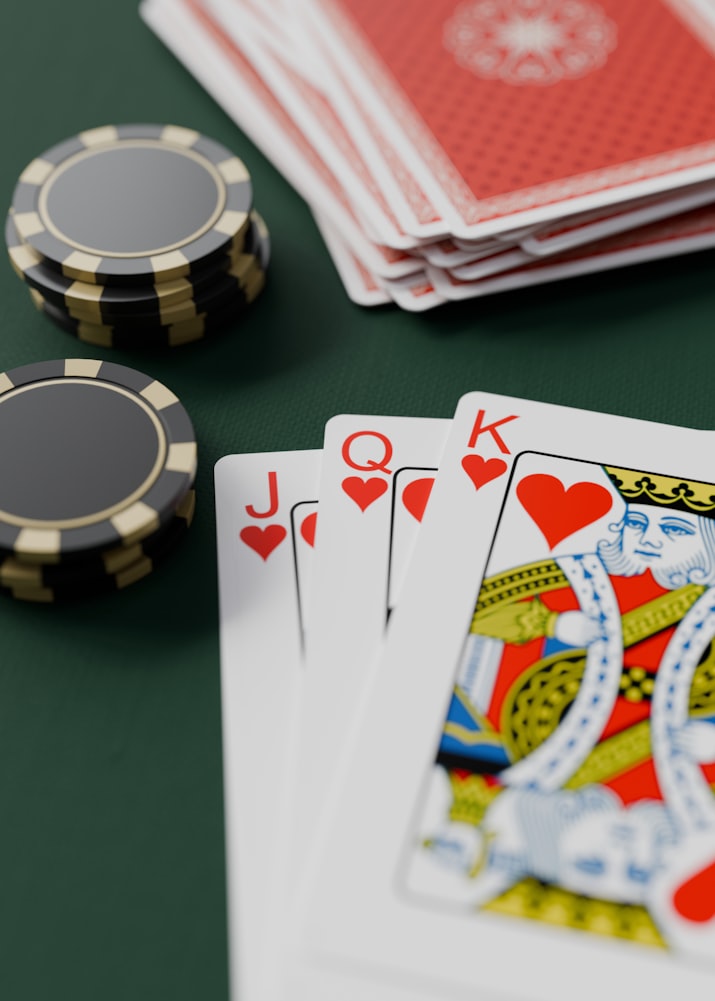
As players indulge in the excitement, their brains release dopamine, a neurotransmitter associated with pleasure and reward. This chemical reaction can lead to repeated behavior in search of that high, creating a psychological cycle that can spiral out of control. Recognizing the fine line between leisure and addiction is crucial for maintaining a healthy relationship with gambling.
The Psychological Impact of Gambling Addiction
Gambling addiction is not just about losing money; it profoundly affects mental health. Individuals may experience feelings of anxiety, depression, and isolation as they grapple with their compulsive behavior. The pressure to keep chasing losses can lead to an emotional rollercoaster where short-lived highs are followed by devastating lows.
Moreover, gambling addiction can strain relationships with family and friends, often leading to feelings of shame and guilt. The secrecy surrounding gambling habits can create a disconnect from loved ones, further exacerbating mental health issues. Understanding these psychological impacts is vital for addressing and overcoming addiction.
Celebrity Gamblers and Their Stories
Many celebrities have openly shared their struggles with gambling addiction, shedding light on the issue and helping to reduce stigma. Their stories often reveal how fame and fortune can contribute to unhealthy gambling habits, sometimes leading to devastating consequences. For instance, some celebrities may use gambling as a form of stress relief or as a way to cope with the pressures of their careers.
These narratives serve as cautionary tales, demonstrating that anyone, regardless of their success or wealth, can fall victim to gambling addiction. By bringing these stories to the forefront, it becomes clear that this issue transcends socioeconomic boundaries, making awareness and support crucial for everyone affected.
The Path to Recovery
Recovery from gambling addiction is a challenging but achievable process. Many individuals begin by acknowledging their addiction and seeking help from professionals or support groups. Therapy can provide invaluable tools and strategies for coping with urges and addressing underlying emotional issues. Support from loved ones also plays a vital role in the recovery journey.
Additionally, establishing healthy routines and finding alternative forms of entertainment can help individuals break free from the cycle of gambling. Engaging in hobbies or activities that bring joy can create a sense of fulfillment, reducing the reliance on gambling as a source of excitement.

Discovering Resources for Support
For those seeking to learn more about gambling addiction or looking for help, numerous resources are available. Websites dedicated to gambling awareness offer comprehensive guides and expert insights into understanding and overcoming addiction. They provide crucial information on support groups, counseling services, and strategies for maintaining a balanced lifestyle.
Engaging with these resources can empower individuals to take control of their lives and find a healthier approach to gambling. By fostering awareness and providing access to support, we can make strides toward understanding and alleviating the burdens of gambling addiction.
